
Why Lithium-Ion Battery Fires Are So Dangerous
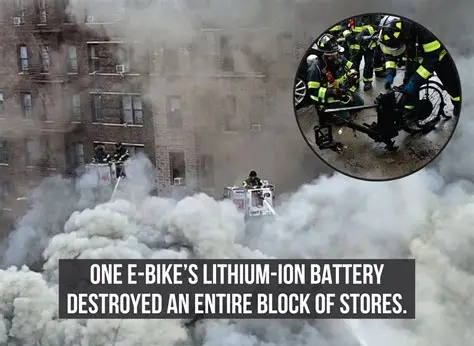
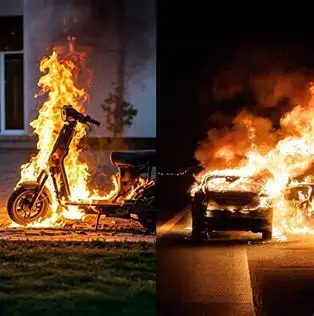
Lithium-ion batteries can enter a state called thermal runaway when damaged, overcharged, or paired with uncertified chargers. Once ignited, they burn hotter and faster than traditional fires, produce highly toxic smoke, and can ignite multiple times. In a high-rise building, even a small battery fire can threaten entire floors within minutes.
This is why fire departments nationwide are sounding the alarm and why we must take this seriously.
What National and NYC Data Tell Us
- FDNY recorded over 282 lithium-battery fires as of August 22, 2026 or 1.2 fires per day with most involving e-bikes and scooters stored inside apartments.
- National fire-incident data shows tens of thousands of lithium-battery emergencies annually, including EV fires, device failures, and charger malfunctions.
- E-bike and scooter fires are rising in every major U.S. city tracked between 2021 and 2024.
- These numbers rise each year as electric mobility becomes more common.
Denver’s Emerging Risk
Although Denver Fire Department does not yet break out lithium-battery fires in its public reporting, firefighters here – like those in other major cities – are seeing more incidents involving:
- E-bikes and scooters stored inside residential units
- Aftermarket or uncertified replacement batteries
- Damaged chargers
- Electric vehicles involved in collisions
With thousands of scooters and e-bikes operating in Denver and a growing number of EVs, the risk profile for our high-rise district is increasing.
🚫 The Most Critical Message: Do NOT Store E-Bikes or Scooters Inside Your Unit
This is the single most important takeaway for Upper Downtown residents.
Storing e-bikes or scooters inside apartments is one of the leading causes of deadly lithium-battery fires in high-rise buildings. When these devices fail, they fail violently — and the fire spreads too quickly for residents or building systems to respond.
A battery fire in one unit can:
- Spread to multiple floors
- Fill hallways and stairwells with toxic smoke
- Block escape routes
- Trigger full-building evacuations
- Overwhelm suppression systems
- Endanger dozens or even hundreds of residents
For everyone’s safety, these devices should never be stored or charged inside residential units.
If your building offers designated storage or charging areas, use them. If it does not, speak with management – this is now a critical safety issue.
What Residents Can Do
- Use UL-certified batteries and chargers only
- Never charge batteries overnight or unattended
- Replace damaged batteries immediately
- Store e-bikes and scooters outside of units and away from exits or hallways
- Never modify or “rebuild” battery packs
These simple steps dramatically reduce the chance of a thermal-runaway event inside a residential building.
Why This Matters for Upper Downtown
Our neighborhood’s density and vertical living environment make lithium-battery safety a community issue, not just an individual one. A single battery failure can affect dozens of units, trigger evacuations, and put residents and first responders at serious risk.
As electric mobility continues to grow, awareness and prevention must become part of how we keep Downtown safe.
UpDoNA will continue working with DFD, building managers, and city leaders to ensure residents have the information, and the infrastructure needed to stay protected.